

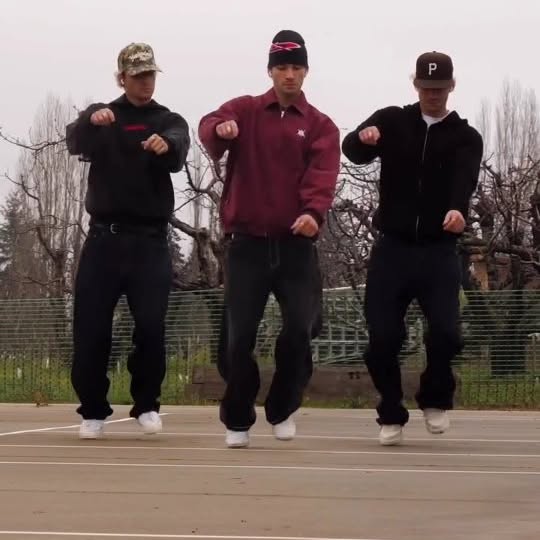
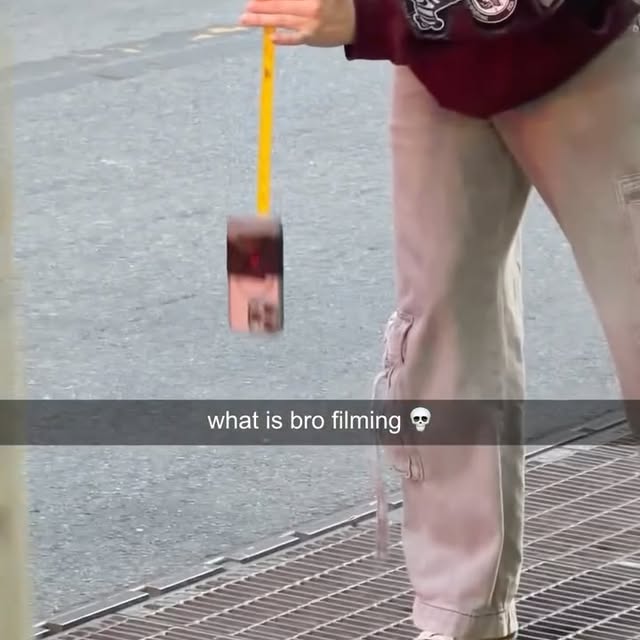
Visual Hooks
Eye-catching movements, effects, or scene changes that instantly refresh attention.
Best ForFashionProduct videosTutorialsReels
Make every scroll count with transitional hooks built for short-form videos on TikTok, Instagram Reels, and YouTube Shorts. Explore ready-to-use video clips, visual hooks, and smooth scene transitions designed to stop the scroll, grab attention in the first seconds, improve viewer retention, and keep your content moving without losing momentum.
Browse Transitional Hooks
Whether you create Instagram Reels, TikTok videos, or YouTube Shorts, the right transition can make your content feel faster, cleaner and more engaging. Instead of relying on a single opening hook, transitional hooks help maintain interest as your video moves from one idea, scene or moment to the next.
Transitional hooks are visual or auditory moments used to connect one part of a video to another while keeping the viewer interested.
Instead of moving from one scene to the next with a simple cut, creators use transition hooks to introduce movement, curiosity or a visual change that encourages viewers to keep watching.
They can appear between:
A strong transitional hook does more than make a video look polished. It helps maintain momentum and supports viewer retention, which is especially important for social media videos where users can scroll away in seconds.
For example, a creator might cover the camera at the end of one scene and reveal a completely different setting in the next. Another video might use a beat drop, zoom or sudden camera movement to introduce a new point. These small changes can make the transition itself part of the viewing experience.
Short-form content moves quickly. Viewers often decide within seconds whether a video is worth their attention. That is why successful creators do not rely only on the opening hook.
A video may grab attention at the beginning, but interest can still drop as the content continues. Transitional hooks help re-engage viewers throughout the video by introducing a new visual, sound, movement or scene.
They can help you:
This is particularly useful in videos with several talking points, product features or story sections. Instead of presenting everything with the same camera angle and pacing, transition hooks introduce small attention resets.
The goal is simple: give viewers another reason to keep watching.
Not every transitional hook needs to rely on the same editing technique. The best option depends on the type of video, the message you want to deliver and how you want the next scene to feel.
Visual Hooks
Eye-catching movements, effects, or scene changes that instantly refresh attention.
Auditory Hooks
Sound effects, beat drops, music changes, or audio cues that signal a new moment.
Scene-Based Hooks
Smooth transitions that connect different scenes, clips, or camera angles.
Story-Based Hooks
Narrative transitions that introduce a new idea or build curiosity about what comes next.
Many high-performing videos combine more than one type. A visual transition can be paired with an auditory hook, while a scene change can introduce the next part of a story.
The key is to choose a transition that feels connected to the content rather than adding an effect simply because it looks impressive.
Using transitional hooks does not require complicated editing. To get the most from your transitional hooks, use them with purpose rather than adding transitions just for visual effect.
When editing, place your video clips next to each other on the timeline and look for movements that can naturally connect. Matching the direction of a camera movement or cutting on a beat can make two separate scenes feel like a single continuous action.
Tools like CapCut make it easy to trim clips, match movements, add sound effects and test quick transitions. For more advanced editing, Adobe Premiere Pro gives you additional control over speed, masking, motion and timing.
Avoid using transitions that feel unrelated to the video, last too long or appear too frequently. The best hook transition should feel natural, support the flow of the video and help viewers stay focused on what comes next.
Different platforms may have different audiences, but the same principle applies across Reels, TikTok and YouTube Shorts: attention needs to be maintained from beginning to end.
For TikTok, transitional hooks can make fast-paced videos feel more dynamic and unpredictable. Quick cuts, camera movements, beat changes and unexpected scene switches fit naturally with the platform's rapid viewing style.
For Instagram Reels, transitions are commonly used to connect aesthetic scenes, product clips, outfit changes, tutorials and creator content. Smooth visual transitions can also help make branded content feel more native to the feed.
For YouTube Shorts, transitions can help organize information and make educational or storytelling videos easier to follow. A transition can signal that a new point, example or part of the story is about to begin.
The best transitional hooks feel like a natural part of the video rather than an effect added afterward. They support the story, guide viewers through each section and keep the content moving.
Creators who want to produce viral videos should also think about how often the visual experience changes. Even subtle changes in framing, sound or camera angles can help prevent short-form content from feeling repetitive.
Traditional hook videos usually appear at the beginning of a video. Their job is to stop the scroll and convince someone to keep watching.
Transitional hooks work differently. They appear after the viewer has already started watching and help maintain that attention throughout the rest of the video.
Think of it this way:
A video hook gets someone into the video. A transitional hook gives them a reason to stay.
For stronger short-form content, creators can use both. Start with a powerful opening hook, then add visual hooks, auditory hooks and transition hooks throughout the video to maintain momentum.
For example, an opening video hook might introduce a surprising result or question. A few seconds later, a transitional hook can introduce the demonstration, followed by another transition before the final result.
Together, these hooks create a more consistent attention flow from the intro to the main content and through to the end of the video.
Finding the right transition does not have to start from a blank timeline.
With Hookest, you can explore transitional hooks and video examples for Reels, TikTok and YouTube Shorts.
Browse different video clips, study how creators move between scenes and discover new ways to make your short-form content more engaging. Pay attention to how transitions use movement, timing, sound and different camera angles to keep the video moving.
Instead of recreating every transition exactly, use these examples as inspiration. Adapt the idea to your own content, product or editing style.
Whether you are making UGC, tutorials, product videos or social media videos, the right transitional hook can help you create a smoother viewing experience and maintain attention from the first second to the final frame.