
Visual Hooks
Eye-catching movement, scenes, camera angles, or objects that instantly create visual interest.
Best ForProduct videosFashionBeautyUGCTutorials
Hook videos can make the difference between short-form content that grabs attention and videos viewers scroll past. Using visual hooks, transitional hooks, and eye-catching video clips in the first 3 seconds can help stop the scroll, create curiosity, and improve viewer retention.
Browse Hook Videos
 4.5M
 1.2M
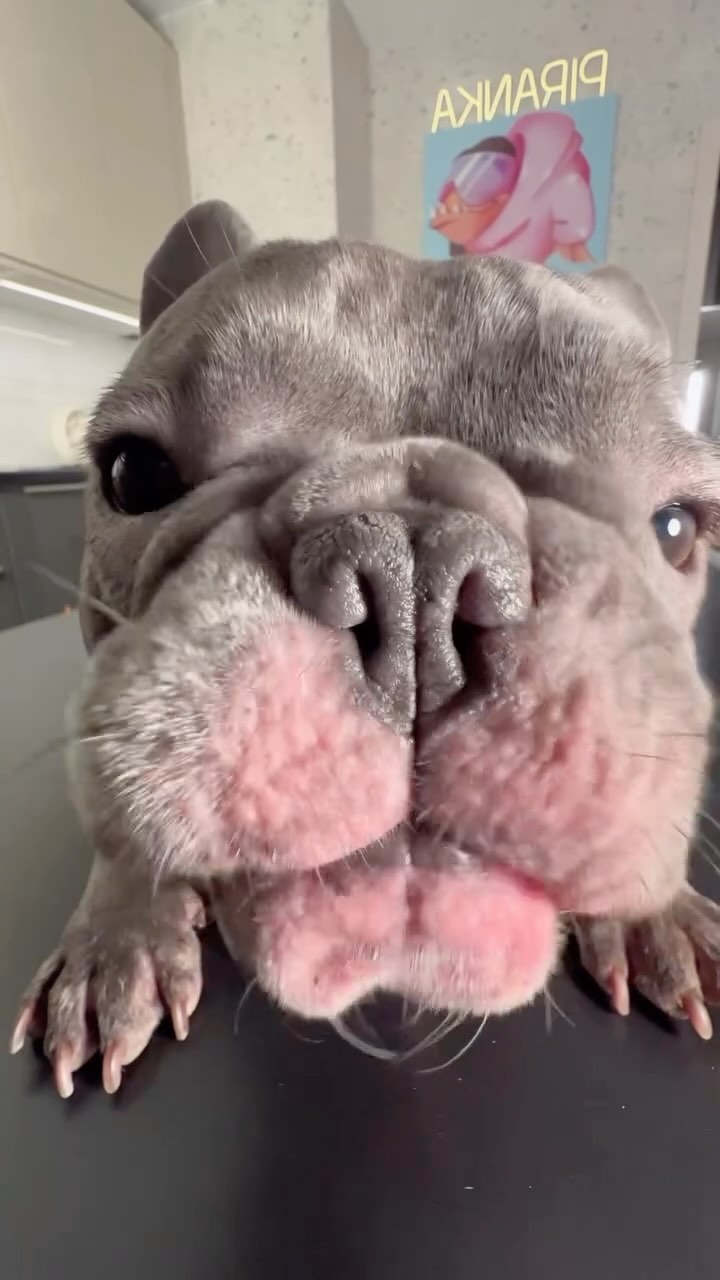 10M
 594K
 4.3M
 32K
 69K

 2.1M
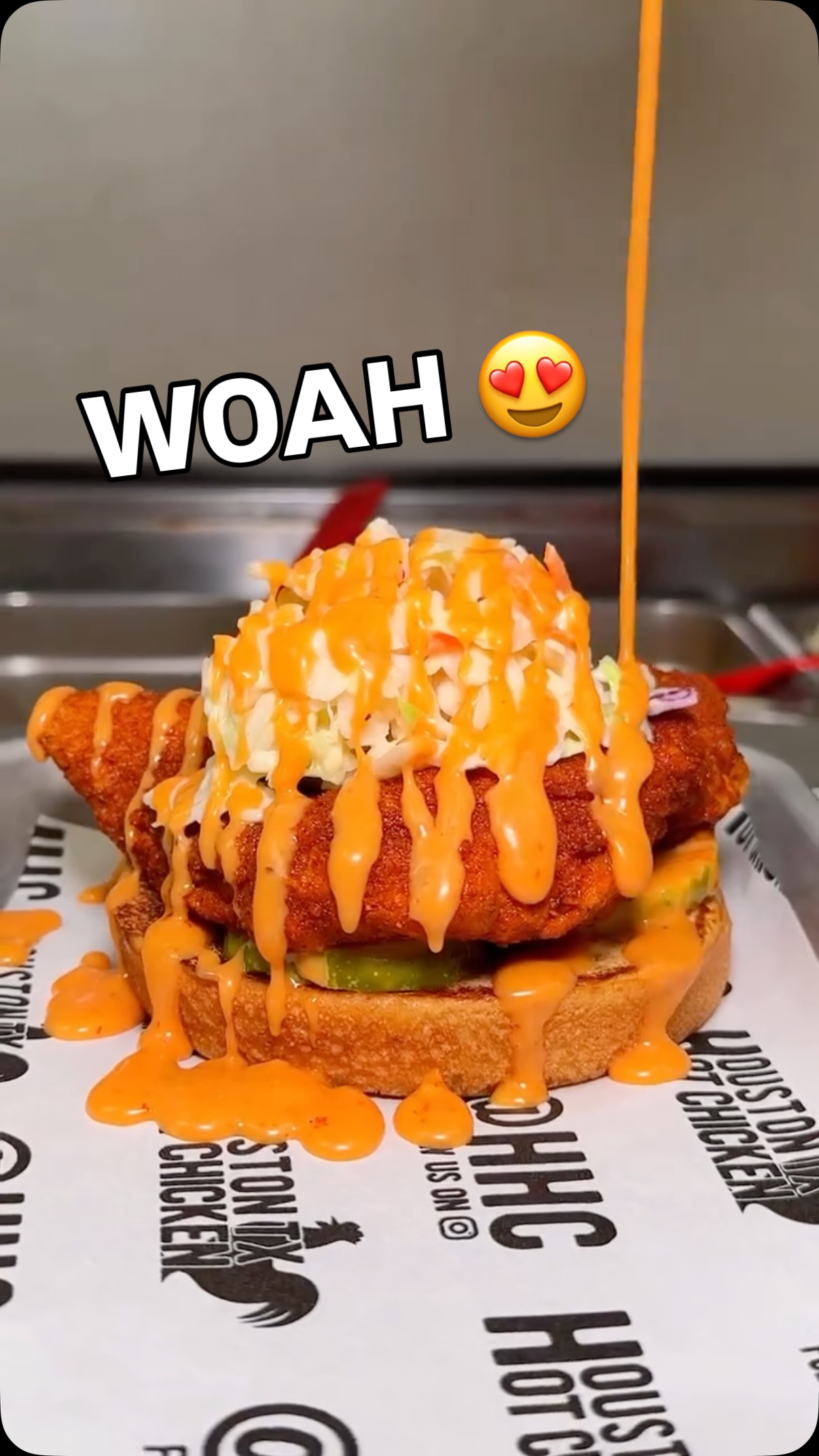 293K
 121K
 83K
 5.0M
 12M
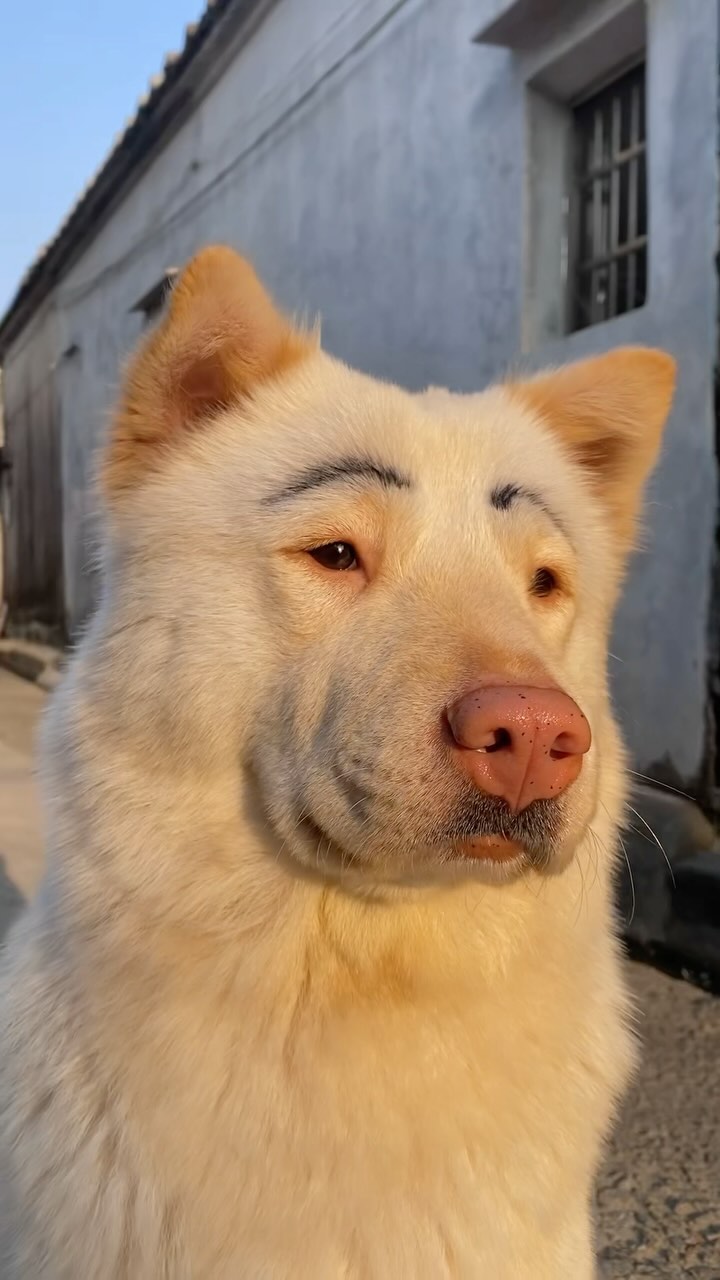 30M
 49K
 18K
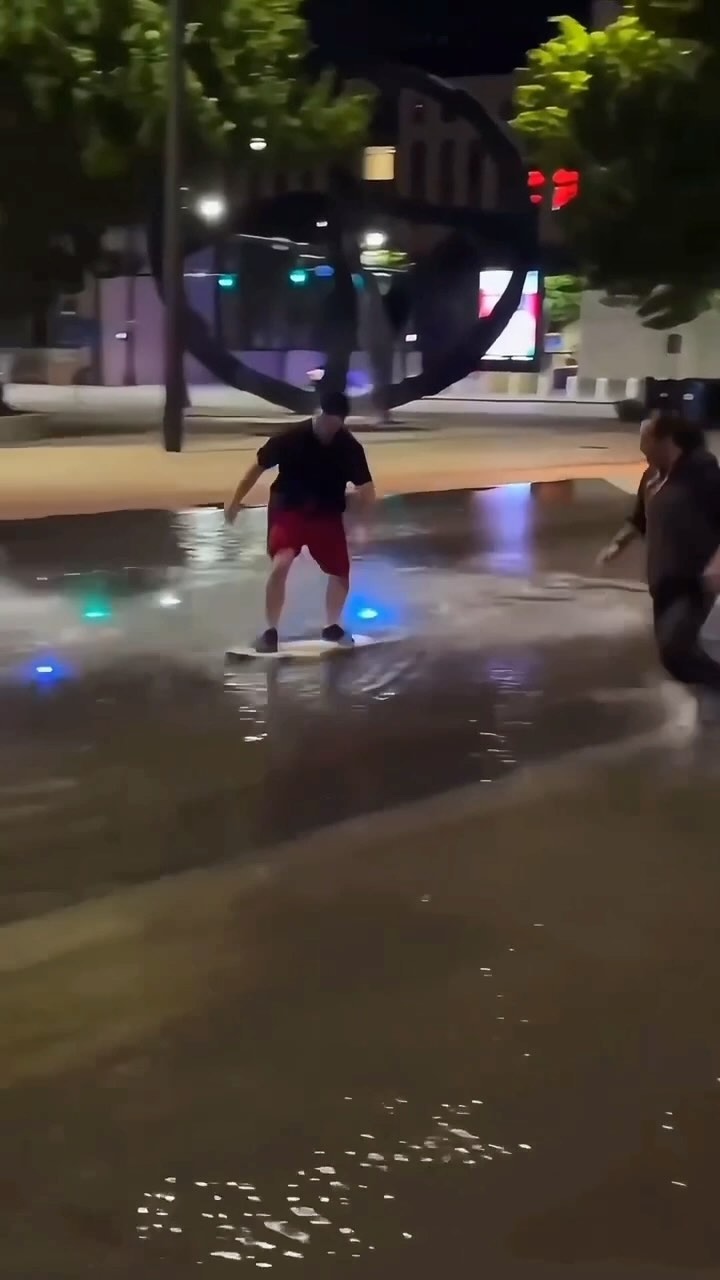 43K
 467K
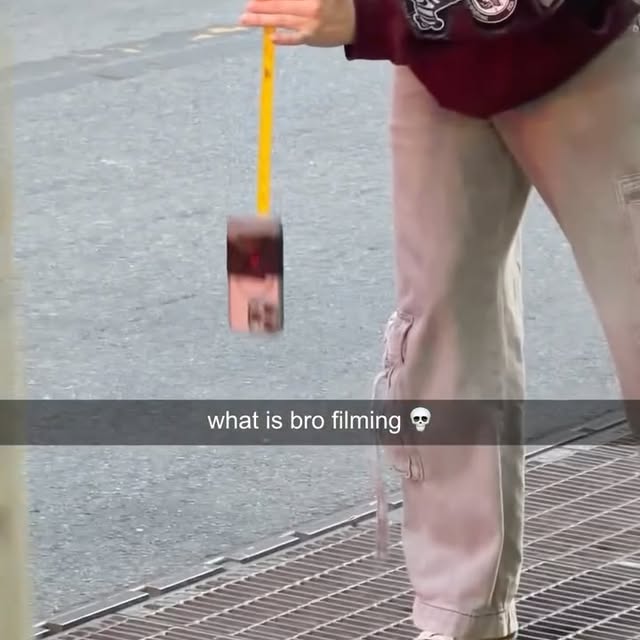 Hook · 5.0s
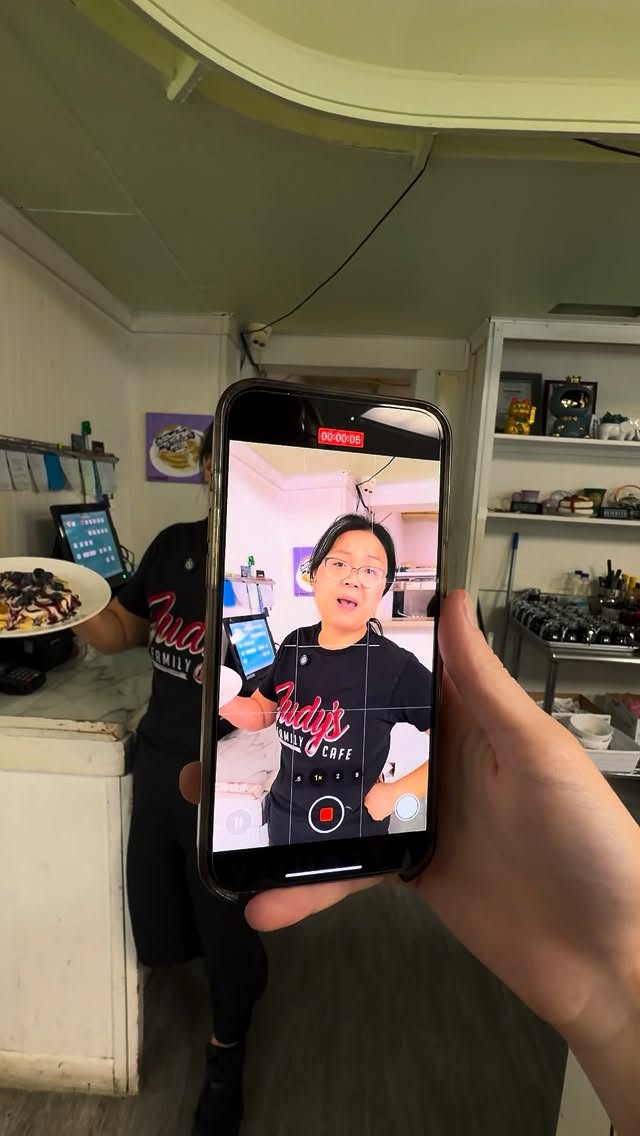 12M
 364K
 138K
 207K
On platforms like TikTok, Instagram Reels, and YouTube Shorts, the opening moments are critical for keeping viewers engaged and giving your content a better chance to get more views.
The right combination of video hooks, visual movement, curiosity, and strong messaging can help you grab attention, stop scrolling, and give your content a better chance to earn more views.
Whether you create TikTok videos, Instagram Reels, YouTube Shorts, product content, tutorials, or UGC, good hooks help your videos start with a clear reason to keep watching.
Hook videos are videos that use an attention-grabbing opening to immediately create interest.
The hook usually appears in the first 3 seconds, where viewers are most likely to decide whether they want to stay or move on to the next piece of content.
A hook can use:
These techniques give viewers an immediate signal that something interesting is about to happen.
For content creators, the goal is simple: create enough curiosity to make the next few seconds feel worth watching.
Short-form videos compete for attention in fast-moving feeds.
Viewers can move from one piece of content to another almost instantly, so slow intros, long explanations, and generic openings often lose attention before the main message even begins.
Strong short-form video hooks solve this problem by introducing the most interesting part of the content earlier.
They can help:
A good hook also sets expectations. It tells viewers what kind of result, story, insight, or entertainment they can expect if they continue watching.
Different content formats need different types of hooks. The best choice depends on your topic, audience, and video style.
Visual Hooks
Eye-catching movement, scenes, camera angles, or objects that instantly create visual interest.
Verbal Hooks
Spoken lines that introduce a bold claim, question, problem, or promise.
Text Hooks
Short on-screen messages that communicate the main reason to keep watching.
Curiosity Hooks
Open loops or incomplete information that make viewers want to know what happens next.
Transitional Hooks
Transitions or scene changes that refresh attention and move viewers into the next section.
Many strong hook videos combine two or more of these formats.
For example, a creator might begin with a dramatic visual hook while displaying a short text hook and delivering a verbal hook at the same time.
Visual hooks are especially powerful because viewers can understand them before processing spoken audio or text.
A sudden movement, unusual framing, close-up shot, quick zoom, or unexpected object can make a video feel different from the content around it.
This is where pattern interrupts become useful.
A pattern interrupt is anything that breaks the visual or behavioral pattern a viewer expects.
Examples include:
These small changes can act as scroll-stopping hooks by giving viewers something unfamiliar to process.
The goal is not to make the opening chaotic. It is to create enough contrast to make the viewer pause.
Getting attention is only the first step.
A strong hook should also create a reason to stay.
Curiosity hooks work by giving viewers part of the information while holding back the complete answer.
For example:
These openings create a curiosity gap between what viewers know and what they want to know.
When used effectively, curiosity can carry attention beyond the first few seconds and into the main content.
This is particularly useful for tutorials, reviews, transformations, storytelling, and product demonstrations.
Creating effective hook videos starts with identifying the strongest reason someone should watch your content.
Instead of beginning with background information, introduce the most interesting element first.
Try these techniques:
Content creators can also test different combinations of visual hooks, verbal hooks, text hooks, and transitions to see which approach performs best.
The opening hook is important, but attention can also drop later in the video. This is where transitional hooks become useful.
Instead of only trying to grab attention at the beginning, transitional hooks refresh attention as the video moves between scenes or ideas.
A simple structure could look like:
Transitions can use camera movement, sound, visual changes, text, or new video clips.
When used naturally, they make short-form videos feel faster and help maintain momentum from beginning to end.
Viral hooks are attention-grabbing structures commonly found in high-performing content.
Hook videos are the videos that use these techniques.
A viral hook might use curiosity, surprise, controversy, transformation, or an unexpected visual to create interest.
However, there is no single hook that guarantees a video will go viral.
The most effective approach is to study successful formats, understand why they work, and adapt them to your own audience and message.
Strong video hooks can improve the chances of holding attention, but the rest of the video still needs to deliver on the promise created at the beginning.
With Hookest, content creators can explore hook videos, viral hooks, visual hooks, curiosity-driven openings, and other examples built for short-form content.
Browse different video clips, study how effective hooks are structured, and see how creators use movement, text, sound, and pattern interrupts to stop scrolling.
Use these examples as inspiration rather than copying them exactly.
Adapt the hook to your own topic, product, audience, and style, then test different versions to discover what performs best.
The right hook helps your content start stronger, capture attention faster, and create a better chance of earning more views.